
The logistics industry continues to evolve rapidly as technology, sustainability, and customer expectations reshape global supply chains. Here are some of the major trends expected to define logistics in 2026.
Greater Use of Artificial Intelligence
AI will play an even bigger role in demand forecasting, route optimization, warehouse automation, and predictive maintenance. Businesses will increasingly rely on intelligent systems to improve efficiency.
Sustainability Becomes Standard
Customers and governments are demanding greener logistics. Companies will continue investing in electric delivery vehicles, fuel-efficient transportation, optimized delivery routes, and environmentally friendly packaging.
Real-Time Shipment Tracking
Customers expect complete transparency. Real-time shipment tracking will become a standard feature rather than an added service.
Warehouse Automation
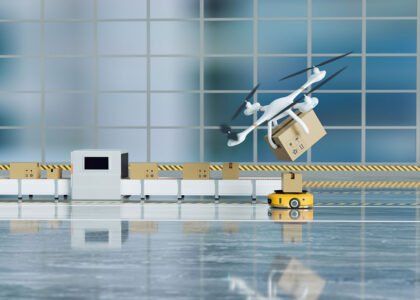
Robotics and automated storage systems will help warehouses process orders faster while reducing labor-intensive tasks and operational errors.
Data-Driven Logistics
Companies will use advanced analytics to forecast demand, optimize inventory, reduce waste, and improve delivery performance.
Increased Focus on Last-Mile Delivery
As e-commerce continues to grow, businesses will prioritize faster and more flexible last-mile delivery solutions to meet customer expectations.
Conclusion
The logistics companies that embrace innovation, invest in technology, and prioritize customer experience will be best positioned to thrive in 2026 and beyond.